
|

Teeth Grinding Mouth Guards

Protect your teeth and sleep soundly with our custom-fit mouth guards

Finch Midland Dental in Scarborough makes custom night guards for bruxism (teeth grinding and clenching) — protecting teeth from wear, fractures, and jaw pain while you sleep. our team uses precise impressions and lab-crafted guards that fit comfortably and are far more durable than over-the-counter options. Patients from Scarborough choose custom night guards to protect their investment in veneers, crowns, and natural teeth. Schedule a bruxism evaluation or call (416) 297-6109.
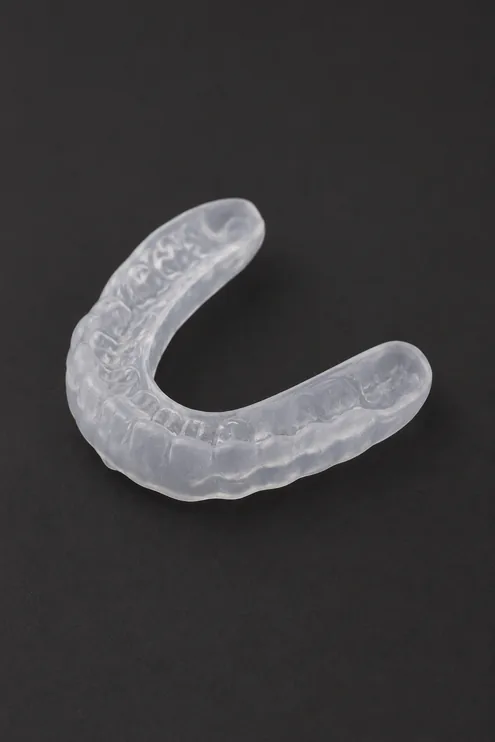
Teeth grinding mouth guard
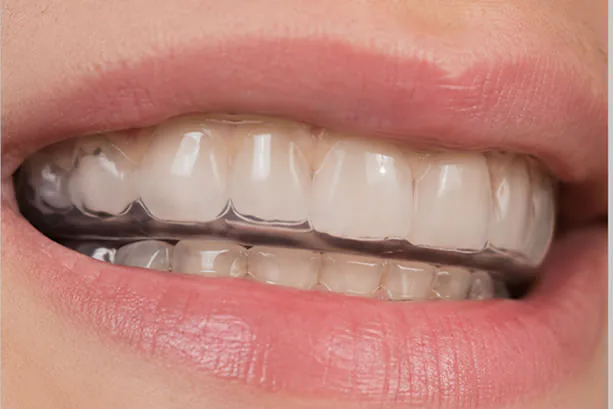
Bruxism mouth guard in mouth

What are teeth grinding mouth guards?

Bruxism is a condition in which a person grinds, clenches, or gnashes their teeth unconsciously, usually during sleep. It is a common problem that can lead to various dental and health issues, such as tooth wear, jaw pain, headaches, and even TMJ disorder. To alleviate the symptoms of bruxism, dental professionals often recommend the use of bruxism mouth guards.

A bruxism mouth guard, also known as a night guard, is a dental appliance that is worn over the teeth to protect them from the pressure and force of grinding and clenching. It is designed to create a barrier between the upper and lower teeth, reducing the wear and tear that occurs during bruxism episodes. A mouth guard can also help to prevent jaw pain and headaches by redistributing the pressure across the teeth and the jaw muscles.

Mouth guards come in different shapes, sizes, and materials, depending on the severity of the bruxism and the patient’s preferences. Here are some of the most common materials used for bruxism mouth guards:

Hard acrylic is a durable and rigid material that is suitable for severe cases of bruxism. It is custom-made to fit the patient’s teeth precisely, providing maximum protection against grinding and clenching. Hard acrylic mouth guards are also easy to clean and maintain.

Soft vinyl is a more flexible and comfortable material that is often used for mild to moderate cases of bruxism. It is also custom-made to fit the patient’s teeth but has a softer texture that molds to the teeth and gums. Soft vinyl mouth guards are ideal for people who have sensitive teeth or who find hard acrylic mouth guards uncomfortable.

we Dual laminate mouth guards combine the best of both worlds, with a hard acrylic exterior and a soft vinyl interior. This material is ideal for people who have moderate to severe bruxism and who want a mouth guard that is both durable and comfortable. Dual laminate mouth guards are also easy to clean and maintain.

Thermoplastic is a versatile material that can be molded to fit the patient’s teeth by using heat. It is an affordable option for people who have mild to moderate bruxism and who do not want to spend too much money on a custom-made mouth guard. Thermoplastic mouth guards are also easy to clean and replace.

At Finch Midland Dental we will determine the type of mouth guard that is best suited for your needs. With proper care and maintenance, a mouth guard can help to alleviate the pain and discomfort of bruxism and improve your overall dental health.

What to expect when being fitted for a mouth guard

Expect a Dental Impression
First, we will take a bite impression of the patient’s teeth using a putty-like material, which will be used to create a model of the teeth. This impression is then sent to a dental laboratory where a technician will use the model to fabricate a custom night guard.

Expect a Custom Mouth Guard from the Lab
Using the model, the lab technician will use a durable and comfortable material, such as hard acrylic or soft vinyl, to create the night guard. Our dentist will specify the material based on the needs of the patient and the level of protection required.

Expect a Final Fitting
Once the night guard has been fabricated, we will adjust and shape it to fit the patient’s teeth precisely, ensuring maximum protection and comfort.

More Questions about Teeth Grinding Mouth Guards?
Contact our Scarborough office today to schedule a consultation with our dentist. We can answer any question you have about mouth guards and address any issues unique to your specific situation. We look forward to seeing you.
Transcript
hi everyone my name is whitney and i'm a dental hygienist if you're new here welcome if you've been here before welcome back let's talk about night guards and before we jump in i'd like to quickly remind you about my website talkgirl.com if you're ever looking for a specific dental topic i have a search bar where you can easily find what you're looking for and also my instagram teeth talk girl so lots of us clinch and grind our teeth at night and we can't control it because we're asleep and of course there's a bunch of reasons why clinching and grinding is not good for your overall health but since this is a dental youtube channel i'm primarily going to focus on why it's not good for your teeth and jaw and how to prevent damage by wearing a nightguard quick background about teeth grinding and clenching also known as bruxing in some cases bruxing can result in fracturing loosening or loss of teeth chronic bruxing may wear teeth down all the way to the stumps when these events happen bridges crowns root canals implants partial dentures and even complete dentures may be needed to replace your teeth not only can severe grinding damage teeth and result in tooth loss it can also affect your jaw cause or worsen tmd tmj disorder and even change the appearance of your face so to prevent this all from happening if you are clenching or grinding it is recommended that you wear a night guard when you sleep and you can get fitted for a custom fabricated night guard at your dentist office now i have lots of patients tell me no way would i wear that i'd be afraid to swallow it or i'll never get used to it or i don't want to pay for it it's expensive all valid reasons to be concerned but let's talk about each one i'll be afraid to swallow it i assure you if you decide to get a custom fabricated night guard made by your dentist you will not swallow it it won't come off with your tongue it is hard to remove it actually you have to use both hands to pop it out if this is a concern of yours talk with your dental provider about the different types they can make to ensure it will snap in and feel secure for you i'll never get used to it same thing as long as it's made by your dentist it will fit and over time like anything else you will get used to it it might take time but it is so worth it in saving your teeth from unnecessary crowns and root canals i'm actually so used to wearing mine now that i can't even fall asleep without it it doesn't feel bulky to me at all and if you're nervous about it feeling bulky again tell your dentist sometimes there are options to make something called an nti where it's a small piece of plastic that attaches to your front teeth only instead of the full arch there are all these different options and materials they can use to make it comfortable for you so just ask i don't want to pay for it it's expensive totally get it some insurances won't cover it and it can be expensive the other option is to buy an over-the-counter night guard where you can mold it yourself in your microwave at home please keep in mind that these will not fit perfectly like the custom dental lab fabricated ones but something is better than nothing to protect your teeth so if you want one and you can't afford the custom dental made one yet try the one from the drugstore it can't hurt to try and if you think about buying a night guard versus paying for crowns and dental work to fix your teeth because of grinding away your enamel when you sleep the night guard is the way to go it will save both your enamel and save your money over time and having said that over time you might need to replace your night guard every 5 to 10 or 20 years right it depends on how much you grind through the plastic i've had mine for about five years now and it's totally fine i feel like i'm going to have this one for a long time but my old retainers that i used to use as night guards those were not a thick plastic they were a thin plastic and they look like this i was grinding right through them but think about that that plastic would have been your teeth it's better to buy new night guards and new retainers than to buy new teeth so we just went over that you will grind your teeth away when you're sleeping without wearing a night nightguard but also if you are clenching your jaw as well especially it is important to wear a night guard because you are placing now a protective barrier between your teeth so that your tmj doesn't fully engage it's super beneficial for your teeth and your jaw in addition for clenchers especially the custom night guards are generally made with a flat bottom and the plastic retainers that you may have got after braces or after you did teeth straightening with clear aligners whatever the case those ones do help protect your teeth like i showed you with my old retainers that would have been my teeth i was grinding through but luckily it was the plastic instead but the thing about these is that they don't help your jaw as well if you're clenching because they don't have the flat bottom the flat bottom helps your teeth not flex when they hit against the other teeth in addition a lot of the over-the-counter night guards that you buy in the store can be made from soft material which isn't great to prevent clenching either it can sometimes make you even clench more and hurt your jaw more again it's protecting your teeth so something is better than nothing but please remember that the custom night guards are best to help your jaw due to the flat bottom and the hard outer material used and lastly is there anything else you can do to stop clenching and grinding your teeth well if stress is causing you to clench and grind your teeth ask your doctor or dentist about options to reduce your stress attending stress counseling starting an exercise program seeing a physical therapist or getting botox for your jaw are among some of the options that may be offered if a sleeping disorder is causing the clinching or grinding treating it may reduce or eliminate the habit such as sleep apnea get a sleep test i do have a video all about how to reduce jaw pain at home and different treatment options for jaw pain which i will link those videos in the bottom below if you're interested other tips to help you stop teeth grinding include avoid or cut back on foods and drinks that contain caffeine such as colas chocolate and coffee avoid alcohol grinding tends to intensify after alcohol consumption do not chew on pencils or pens or anything that is not food avoid chewing gum as it allows your jaw muscles to get more used to clenching and makes you more likely to grind your teeth train yourself not to clench or grind your teeth if you notice that you clench or grind during the day position the tip of your tongue between your teeth this practice trains your jaw muscles to relax relax your jaw muscles at night by holding a warm compress against your cheeks in front of your earlobes in conclusion a key challenge with sleep bruxism clenching and grinding while you slumber is that it is much harder for people to be aware that they are grinding their teeth while sleeping also a sleeping person doesn't realize their bite strength so when you're sleeping you more tightly clench and grind your teeth than you would during the day and it can actually be up to 250 pounds of force that's like a lot and as we said long-term consequences of sleep ruxism can include significant harm to the teeth teeth may become painful eroded and mobile aka loose teeth grinding can also increase the risk of problems with the joint that connects your lower jaw to the skull known as the temporomandibular joint tmj tmj problems can provoke difficulty chewing chronic jaw pain popping or clicking noises locking of the jaw and other complications and lastly nighttime teeth grinding can also impact a bed partner the noise from clinching and grinding can be bothersome making it harder for a person sharing the bed to fall asleep or stay asleep as long as they would like so all these reasons hopefully will make you consider getting or wearing your night guard or your retainer or something to protect your teeth i can't stress enough that something is better than nothing try the over-the-counter one try wearing your old retainer if it fits and if you need a new night guard and you're able to then get a new night guard at your dentist your teeth and jaw will thank you i hope this video helped you please like and subscribe if it did and i'll link my other bruxism and tmj videos about causes pain and treatment in the bottom row below if you'd like to learn more peace love auntie [Music] you
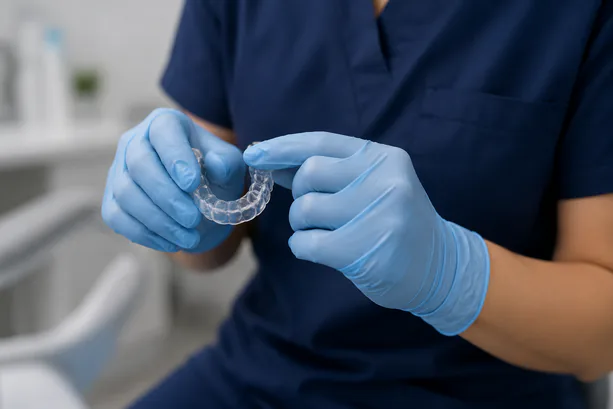
Dental technician holding night guard

What are signs that you need a mouth guard?

You may be a candidate for a custom mouth guard if you are experiencing any of the following symptoms:

  • Worn or flattened teeth
  • Chipped, cracked or broken teeth
  • Tooth sensitivity
  • Painful or sore jaw muscles
  • Frequent headaches or migraines
  • Ear pain or ringing in the ears
  • Neck and shoulder pain
  • Disrupted sleep patterns
  • Grinding or clenching during sleep
  • Bite marks on the inside of the cheeks
  • Receding gum lines
  • Loose or shifting teeth
  • Braces being damaged by grinding or clenching

Contacts us at Finch Midland Dental for a consult to determine if a custom mouth guard is right for you.

What are the benefits of a custom mouth guard?

What are the benefits of a custom mouth guard?

There are many benefits to choosing a custom bite guard over a store-bought night guard, including:

  • Custom fit: A custom bite guard or night guard is made specifically for your teeth, which ensures a comfortable and secure fit. Store-bought night guards are often one-size-fits-all, which may not provide a proper fit.
  • Maximum protection: A custom bite guard or night guard provides maximum protection for your teeth because it is designed to fit your teeth precisely. Store-bought night guards may not provide adequate protection and may even increase the risk of dental trauma.
  • Increased comfort: A custom bite guard or night guard is designed to be comfortable to wear, which means you are more likely to wear it as recommended by your dental professional. Store-bought night guards may be uncomfortable, bulky, or difficult to wear, leading to noncompliance.
  • Better durability: A custom bite guard or night guard is made from high-quality materials that are designed to withstand wear and tear. Store-bought night guards may not be as durable and may need to be replaced more frequently.
  • Professional guidance: A custom bite guard or night guard is fabricated under the guidance of a dental professional, who can provide personalized advice on how to care for and maintain the guard. Store-bought night guards often come with limited instructions and may not be as effective.

A custom bite guard or night guard is a worthwhile investment in your dental health and can provide superior protection and comfort compared to store-bought options. Give us a call at Finch Midland Dental and schedule your appointment today.

Key Benefits

Why Choose This Treatment

Stops Enamel Wear and Damage

The guard absorbs grinding forces before they can erode enamel, preventing tooth fractures, sensitivity, and the need for future restorations.

Relieves Jaw Pain and Headaches

By cushioning the jaw in a neutral position, night guards reduce muscle tension that causes the morning headaches and jaw soreness common with bruxism.

Custom-Fitted for Comfort

Unlike store-bought guards, a custom appliance is made from a precise impression of your teeth — ensuring a comfortable, secure fit that stays in place all night.

Protects Existing Dental Work

Grinding forces can crack or dislodge crowns, veneers, and fillings. A night guard protects your dental investment and extends the life of your restorations.

Simple Effective Solution

A night guard requires no surgery, no medication, and no lifestyle disruption — just a comfortable appliance you wear while you sleep to protect your teeth every night.

Concerned about teeth grinding? your dentist will examine your teeth for signs of bruxism and determine whether a custom night guard — or another intervention — is the right solution for protecting your smile long-term.
Is This Right For You

Is Teeth Grinding Mouth Guard Right for You?

Teeth Grinding Mouth Guard is a good fit if you are:

  • Patients with worn or flattened teeth
  • Patients with morning headaches or jaw soreness
  • Patients told by a partner they grind at night
  • Patients who have invested in veneers, crowns, or implants and want to protect them

This may not be the right option if:

  • Patients with severe TMJ dysfunction (may need more comprehensive treatment)
  • Patients unable to tolerate anything in their mouth at night
Step By Step

What to Expect During Your Teeth Grinding Mouth Guard Visit

Here is exactly what happens at your appointment at Finch Midland Dental. Knowing each step makes the experience far less intimidating — and lets you relax knowing what comes next.

  1. 1. Evaluation. our team examines your teeth for wear patterns, asks about symptoms, and takes impressions. The process takes about 20 minutes.
  2. 2. Impressions. Precise impressions (or digital scan) of your upper and lower teeth capture the exact shape for a custom fit.
  3. 3. Lab fabrication. The impressions are sent to a lab that makes the guard from durable hard or hybrid material. Takes about 2 weeks.
  4. 4. Fitting. You return to pick up the guard. our team checks the fit, adjusts any pressure points, and gives you care instructions.
Common Concerns

Common Concerns About Teeth Grinding Mouth Guard

These are the questions patients at Finch Midland Dental ask most often before committing to treatment. our team addresses each one honestly at your consultation.

"Over-the-counter guards work fine"

They rarely do. Drugstore guards don't fit precisely, often alter the bite, and typically need replacement every few months. Custom guards fit better, last years, and actually protect the teeth.

"I don't think I grind my teeth"

Most grinding happens during sleep, so patients are often unaware. Signs include worn-down teeth, morning jaw soreness, headaches, and partner-reported grinding sounds. our team checks for these at every exam.

"Will a guard feel weird to wear?"

Yes for the first few nights. Custom guards are thin and form-fitted, so most patients adapt within a week. Many patients report they sleep better once grinding is controlled.

What to Know

Risks and Considerations of Teeth Grinding Mouth Guard

Every procedure has tradeoffs, and transparent conversation about them is part of informed consent. our team reviews these at your consultation and answers every question before treatment begins.

  • Brief adjustment period — may feel bulky initially
  • Increased saliva during first nights of use
  • Guard can wear down and need replacement
  • Untreated grinding can cause tooth wear, cracks, jaw pain, and TMJ problems
Our Clinical Approach

How We Approach Teeth Grinding Mouth Guard at Finch Midland Dental

Teeth grinding is often invisible to the patient — it happens during sleep — but it leaves clear signs: worn-down edges, cracked teeth, jaw soreness, and morning headaches. When these signs appear during a cleaning, a custom guard is recommended before the damage becomes expensive.

Store-bought mouth guards often fit poorly and can actually make jaw pain worse by altering the bite. A custom guard is made from precise impressions, fits properly, and distributes grinding forces evenly — which is why it lasts 5+ years compared to a few months for over-the-counter options.

Reviewed by our team · Finch Midland Dental, Scarborough, ON

Common Questions

Frequently Asked Questions About Teeth Grinding Mouth Guards

Yes, certain types of mouth guards can be designed to help improve breathing and help treat mild to moderate sleep apnea by repositioning the lower jaw or opening up the airway.

No, a mouth guard is designed to prevent teeth from shifting due to grinding or clenching.

Yes, a custom mouth guard can be designed to accommodates dentures.

Yes, a properly designed mouth guard can help relieve symptoms of TMJ disorders by reducing pressure on the jaw joint.

Yes, a custom mouth guard can accommodate braces or other orthodontic appliances.

Yes. At our Scarborough dental office we offers custom mouth guards to patients in Scarborough and the surrounding area. Contact our office today to schedule an appointment.

Common signs include worn or flattened teeth, cracked teeth, jaw soreness when waking up, morning headaches, tooth sensitivity, and a partner noticing grinding sounds at night. our team will check for these signs at every exam.

With proper care, a custom night guard typically lasts 5–10 years. Over-the-counter guards usually last only a few months and often don't fit well enough to provide real protection.

Some dental insurance plans cover custom night guards partially when medically necessary for bruxism. Coverage varies. We verify benefits in advance.

Medical Disclaimer

This content is for informational purposes only and does not constitute dental or medical advice, diagnosis, or treatment. Custom night guards carry minimal risk. Initial adjustment period may include mild discomfort or increased saliva. Untreated bruxism can cause tooth wear, fractures, jaw pain, and TMJ problems. Consult our team or a qualified dental professional regarding any questions about your oral health. Individual results may vary.

Learn More About Teeth Grinding Mouth Guards

Contact our office to discuss how this treatment can help you achieve your dental health goals.