
Our dental solutions can help you breathe better and sleep better
Finch Midland Dental in Scarborough offers custom oral appliance therapy for obstructive sleep apnea (OSA) — a comfortable, CPAP-free alternative that keeps your airway open while you sleep. our team works with your sleep physician to design a mandibular advancement device fitted precisely to your bite, helping you breathe easier, sleep deeper, and wake more rested. Schedule your sleep apnea consultation or call (416) 297-6109.
Sleep apnea is a common sleep disorder that affects millions of people worldwide, yet it often goes undiagnosed. It is a condition that causes a person to experience breathing interruptions during sleep, resulting in sleep disturbances and daytime fatigue. There are various forms of sleep apnea, including obstructive sleep apnea, central sleep apnea, and complex sleep apnea syndrome. While anyone can develop sleep apnea, it is more common in people who are overweight, over the age of 40, or have a family history of the condition. If left untreated, sleep apnea can lead to more severe health complications. However, with early detection and appropriate treatment, people with sleep apnea can enjoy a better quality of life.
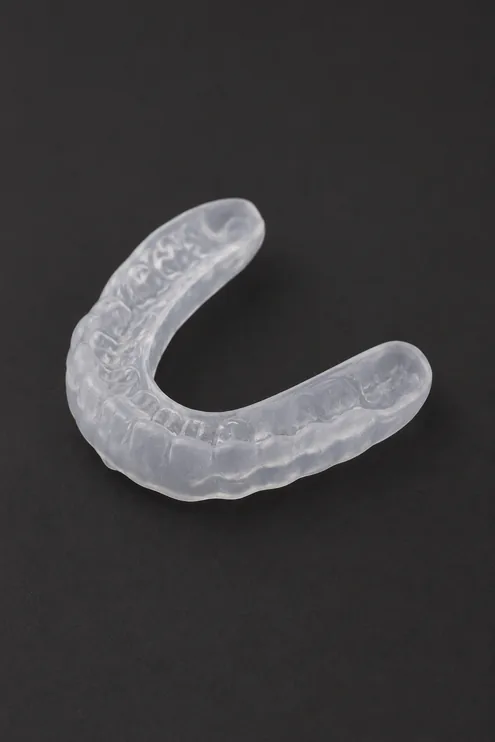
Oral appliance therapy at Finch Midland Dental requires a confirmed sleep apnea diagnosis from a sleep physician — we do not diagnose sleep apnea. Once diagnosed, our team designs a custom mandibular advancement device (MAD) that gently repositions your lower jaw forward during sleep, keeping the airway open. We coordinate with your sleep doctor to verify treatment effectiveness through follow-up sleep testing.
Reviewed by our team · Finch Midland Dental, Scarborough
Sleep apnea is characterized by episodes of breathing cessation during sleep, which can cause a range of health problems, including heart disease, diabetes, and hypertension. There are four types of sleep apnea, each with unique causes and symptoms:
Obstructive Sleep Apnea (OSA)
Obstructive sleep apnea is the most common type of sleep apnea. It occurs when the muscles in the back of the throat fail to keep the airway open during sleep. As a result, the individual may snore loudly, gasp for breath, and wake up frequently throughout the night. OSA is more common in individuals who are overweight, have a family history of sleep apnea, or have a narrow airway.
Central Sleep Apnea (CSA)
Central sleep apnea is a less common type of sleep apnea that occurs when the brain fails to send signals to the muscles that control breathing. As a result, the individual may experience pauses in breathing or shallow breaths during sleep. CSA is more common in individuals with certain medical conditions, such as heart failure or stroke.
Complex Sleep Apnea Syndrome (CompSA)
Complex sleep apnea syndrome is a relatively new type of sleep apnea that combines the characteristics of both OSA and CSA. It occurs when an individual with OSA is treated with continuous positive airway pressure (CPAP) therapy, but their central apneas persist. This condition is also known as treatment-emergent central sleep apnea.
Mixed Sleep Apnea:
Mixed sleep apnea is a combination of obstructive and central sleep apnea. It occurs when the muscles in the back of the throat partially block the airway, but the brain also fails to send signals to the muscles that control breathing. This type of sleep apnea can be difficult to diagnose, as the symptoms can be similar to those of OSA or CSA.
More Questions about Sleep Apnea?
Contact our office today to schedule a consultation.
Sleep apnea is a common sleep disorder that affects millions of people. Here are some common symptoms of sleep apnea:
If you experience any of these symptoms or signs, it’s important to schedule a consultation at our Scarborough dental office to determine if a oral appliance is necessary.
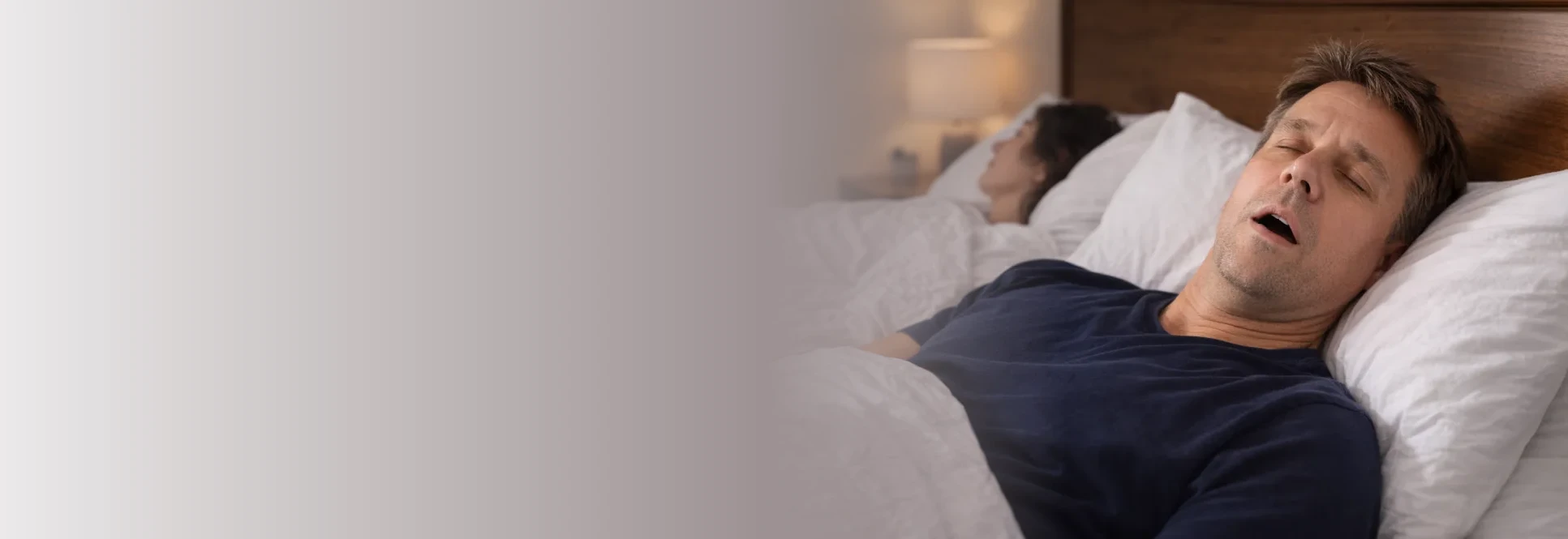
Dentists can help with sleep apnea by providing oral appliance therapy. Sleep apnea is a sleep disorder in which a person’s breathing repeatedly stops and starts during sleep. One type of sleep apnea, called obstructive sleep apnea (OSA), occurs when the muscles in the back of the throat fail to keep the airway open, causing breathing to stop for brief periods.
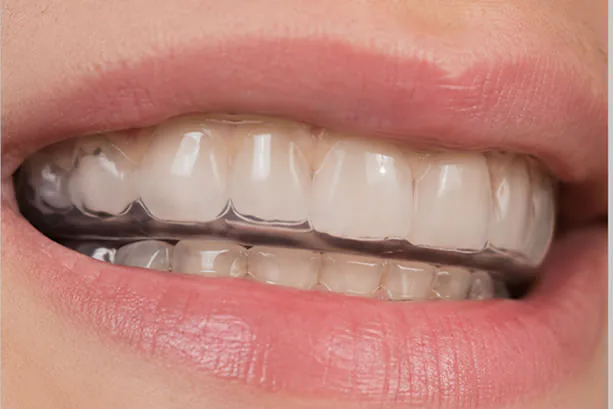
Oral appliance therapy involves using a custom-fitted oral appliance, similar to a mouthguard or retainer, to help keep the airway open during sleep. The appliance is worn in the mouth and works by repositioning the jaw or tongue to prevent the airway from collapsing. This can improve airflow and reduce the number of apnea events that occur during the night.
Oral appliances are a non-invasive treatment option for sleep apnea that can be used in place of or in addition to continuous positive airway pressure (CPAP) therapy. Here are some common types of oral appliances used to treat sleep apnea:
Note that oral appliances may not be suitable for everyone with sleep apnea. The appropriate type of appliance will depend on the individual’s specific needs and preferences, as well as the severity of their sleep apnea. Contact our Finch Midland Dental to schedule an appointment to explore your sleep apnea options.
Sleep apnea can lead to a range of health problems, including high blood pressure, heart disease, and stroke. There are many factors that can affect the severity of sleep apnea and understanding these factors can help individuals take steps to reduce their risk of developing sleep apnea and manage the condition effectively.
Sleep apnea is a common sleep disorder in the United States that affects millions of people:
Custom oral appliances offer an effective alternative to CPAP for many sleep apnea patients:
Oral appliances provide effective treatment for mild to moderate obstructive sleep apnea without the noise, mask, and tubing of a CPAP machine.
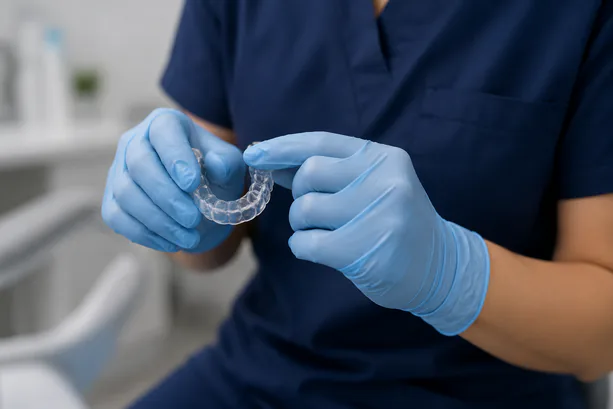
Each oral appliance is custom-made from impressions of your teeth, ensuring a comfortable, secure fit that you can wear every night.
Small enough to fit in your pocket, oral appliances are easy to travel with and produce no noise — unlike CPAP machines.
By keeping the airway open, oral appliances reduce snoring, improve oxygen levels, and help you achieve deeper, more restorative sleep.
Untreated sleep apnea increases risk of heart disease, stroke, and diabetes. Effective treatment with an oral appliance helps protect your overall health.
Sleep apnea is a sleep disorder characterized by pauses in breathing or shallow breaths during sleep.
Common symptoms of sleep apnea include loud snoring, pauses in breathing during sleep, daytime sleepiness, morning headaches, and dry mouth or sore throat upon waking.
MADs work by repositioning the lower jaw slightly forward to help keep the airway open.
TRDs are oral appliances that work by holding the tongue in a forward position to prevent it from blocking the airway during sleep.
Yes. At our Scarborough dental office we offer sleep apnea treatment to patients in Scarborough and the surrounding area. Contact our office today to schedule an appointment.
"I can't tolerate my CPAP — is the oral appliance really an alternative?"
Yes. The American Academy of Sleep Medicine recommends oral appliance therapy as a first-line treatment for mild to moderate OSA and for patients with severe OSA who cannot tolerate CPAP. The custom-fitted device is small, portable, silent, and requires no electricity — making it dramatically easier to use consistently than CPAP.
"Will the oral appliance change my bite?"
Long-term use of a mandibular advancement device can cause minor bite changes in some patients. our team monitors your bite at every follow-up visit and can adjust the appliance to minimize this effect. Morning jaw exercises are also prescribed to help reset the bite after overnight wear.
"Does insurance cover oral appliance therapy?"
Oral appliance therapy for sleep apnea is typically covered under medical insurance (not dental) when prescribed by a sleep physician with a confirmed diagnosis. We help with insurance pre-authorization and provide all required documentation to maximize your coverage.
Medical Disclaimer
This content is for informational purposes only and does not constitute dental or medical advice, diagnosis, or treatment. Sleep apnea must be diagnosed by a qualified sleep physician through a sleep study. Oral appliance therapy is one treatment option and may not be appropriate for all patients. Untreated sleep apnea carries serious health risks. Consult our team and your sleep physician regarding treatment options. Individual results may vary.
Contact our office to discuss how this treatment can help you achieve your dental health goals.